


The South Lincs Vet Group are a companion animal group made up of a hospital and 4 branches. It is important for us to stay up to date with the latest technologies available and continuously explore ways to enhance our services to pet owners and our patients. The offering of the Enalees internal point-of-care PCR analyser looked to do exactly that. The primary consideration being how often would the tests be used when reviewing the list of detectable diseases for the Asteria® range for cats and dogs. We reviewed previous records of similar tests that we’d ran and thought about the limitations these came with. We considered that historically previous tests could have carried significant time and cost restrictions that may have negatively impacted the patient in terms of proceeding with cautious and symptomatic treatment plans initially. We remained open-minded to the Enalees in-house testing solution of opportunities to detect disease with a 30-minute internal testing facility. This also allowed us to consider the costs involved and the affordability to the pet owners.
Enalees provided their assessment data, and it was clear to see that the research, development, and manufacturing of the tests is trustworthy, and the processes of internal and external validation all combined to result in a reliable diagnostic tool. The tests come in packs of 5, with up to 24 months before expiry. It was reassuring that there would not be high pressure in time to use up the stock. We were delighted to hear that Enalees are continually expanding and developing their range of tests, based on customer feedback and requirements. They have a dedicated research and development team in house. |
|
We
were keen to trial the in-house PCR solution and the practice held a
discussion across the whole team to raise the awareness of the new service
offering. Our Enalees rep provided several training sessions on how the
device works and the process of sample preparation. It was important for us as
a group to give as many members as possible the exposure to the new analyser to
create a good level of understanding. The decision was made to begin with the Asteria®
Discovery Kit box of tests, due to the ability to utilise the solution in
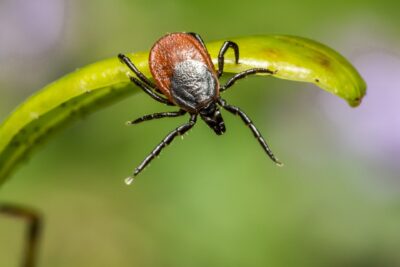
multiple case scenarios. There is the option to test of Parvovirus, a Tick-borne
disease and Lepto panel as well and the Feline Respiratory Panel.
Can you tell us about a specific case where you utilised the Enalees
solution, including the outcome?
Sampling technique/ clinical analysis and work up process.
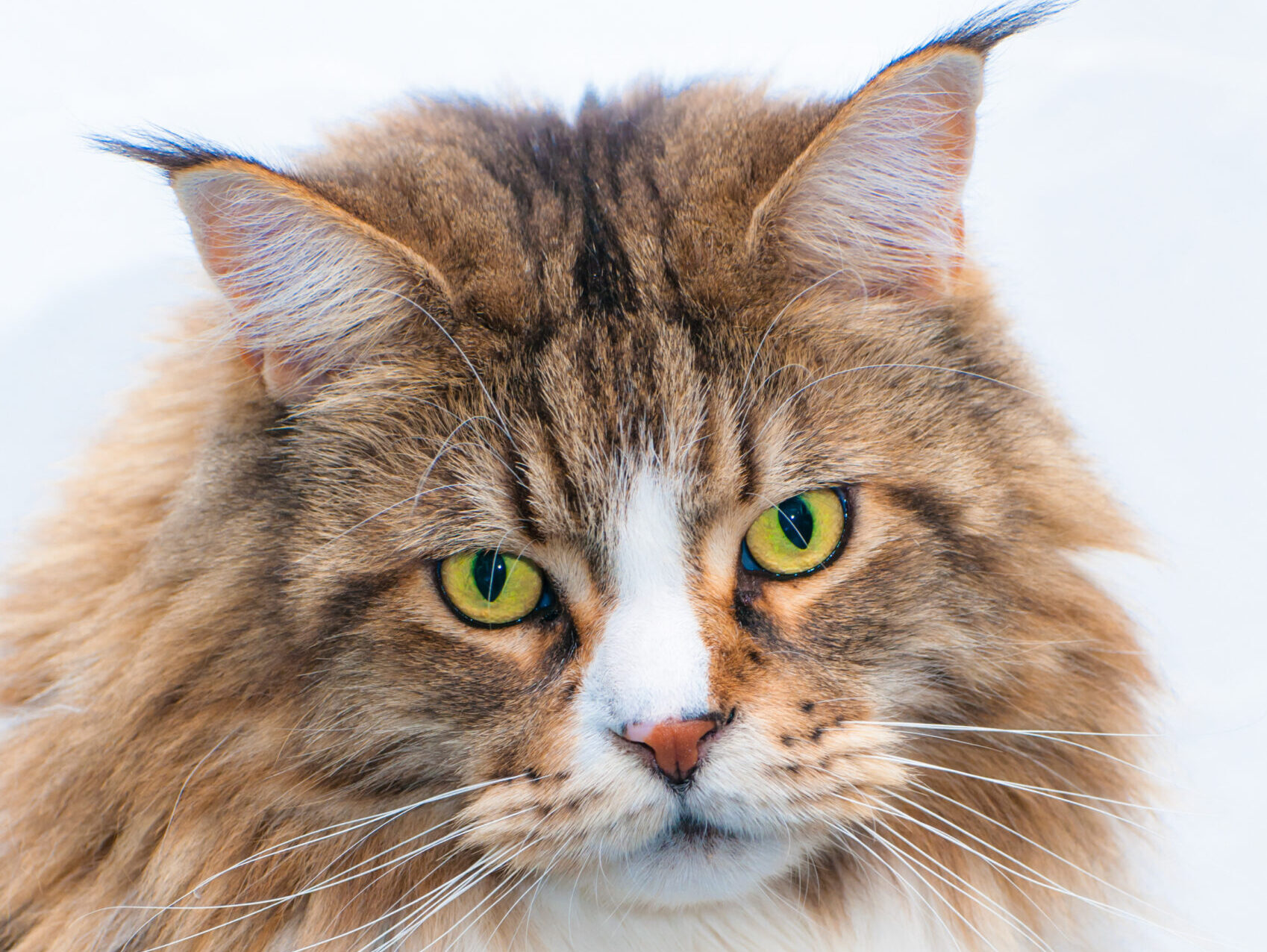
| We soon identified the opportunity to use the Feline Respiratory Panel on two adult rescue cats with upper respiratory and gingivitis symptoms. It was useful to test in house whilst we had the patents to determine their disease status to help plan treatment protocol going ahead. One cat was found to be negative of Herpevirus, Calcivirus and Chlamydia felis and therefore just needed dental work. The other cat testing positive for chlamydia and therefore treatment with appropriate antibiotics could be started. There were some initial user errors in running the tests at the beginning, but with the prompt technical support from Enalees these were resolved without issue. |
|
I can see the potential of great benefit in suspected Leptospirosis and Parvovirus cases. Fortunately, we have not had any requirement to use these yet but believe when this situation arises, the tests will prove invaluable. From our experience with the Feline Respiratory Panel already, there is a great advantage of quickly identifying the cause of upper respiratory complaints in cats.
I would describe Enalees in 3 words as convenient, innovative, and pioneering.

Bovine Respiratory Syncytial Virus (BRSV) is a single-stranded virus belonging to the Pneumoviridae family1,2. It was renamed Bovine orthopneumovirus in 2016 and Orthopneumovirus bovis in 20221. It is...
CANINE TICK DISEASES EHRLICHIOSIS: THE DIAGNOSIS OFTEN FORGOTTENCANINE TICK DISEASEMany pathogens are the cause of tick-borne diseases in dogs, such as Babesia canis, Babesia gibsoni, Anaplasma platy...
Our client suspected an outbreak of equine influenza among its teaching horses. How can it be diagnosed quickly in order to implement reinforced biosecurity measures and prevent its spread to clie...
Enalees strengthens its feline respiratory diagnostics offer with a panel incorporating Mycoplasma felis...

Enalees launches new Rhéa® respiratory panel: a new clinical reference for LAMP PCR diagnosis of respiratory diseases in livestock ...