


Many pathogens are the cause of tick-borne diseases in dogs, such as Babesia canis, Babesia gibsoni, Anaplasma platys, Ehrlichia canis, among others. These pathogens are carried by ticks belonging to the genera Dermacentor, Ixodes and Rhipicephalus, which transmit them to the dog during their bite, via their saliva.
Dogs infected with a tick-borne disease may exhibit a variety of clinical symptoms, such
as hyperthermia, lethargy, loss of appetite, dark urine, pale or yellowish mucous membranes, and occasionally vomiting.
In the acute phase of Ehrlichiosis (also called Anaplasmosis) caused by Anaplasma platys, Anaplasma phagocytophilum or Ehrlichia canis, the clinical signs may go unnoticed. If nothing is done, pathogens continue to multiply in the dog’s blood. Some of them have a high tolerance to the bacterial load while other breeds, such as the German Shepherd, can develop a chronic form of the disease. It should be noted that, during stress, for example, the disease can occur even though the bite dates back a few months.
During a canine Ehrlichiosis infection, co-infection can take place in 50% of cases with other pathogens transmitted by the same vector. The chronic form of Ehrlichiosis is very serious and can cause the dog to lose weight, joint pain and bleeding.
At this stage, the bone marrow is irreversibly affected. Blood cells are no longer produced in sufficient quantities and the chances of survival of the animal are very low.
During the acute phase of infection, tick-borne diseases can be diagnosed by various methods:
FOR OPTIMAL EFFICIENCY, it is recommended to use several of these methods, as they detect different elements and complement each other.
Tick-borne diseases, such as babesiosis and ehrlichiosis, represent a constant challenge to canine health. Despite the lack of vaccines for some of these diseases, there are effective preventive strategies that veterinarians can recommend to their clients
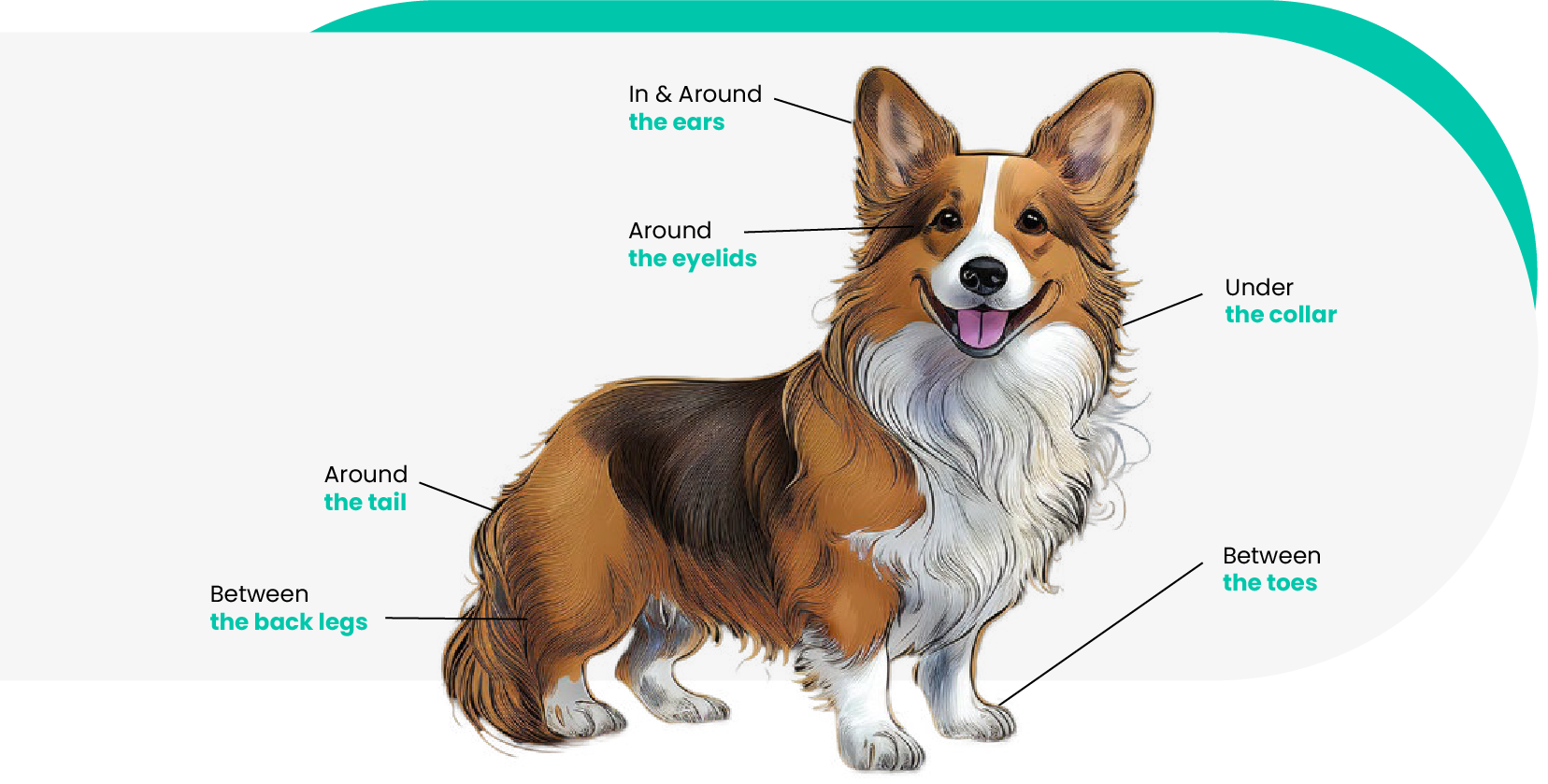
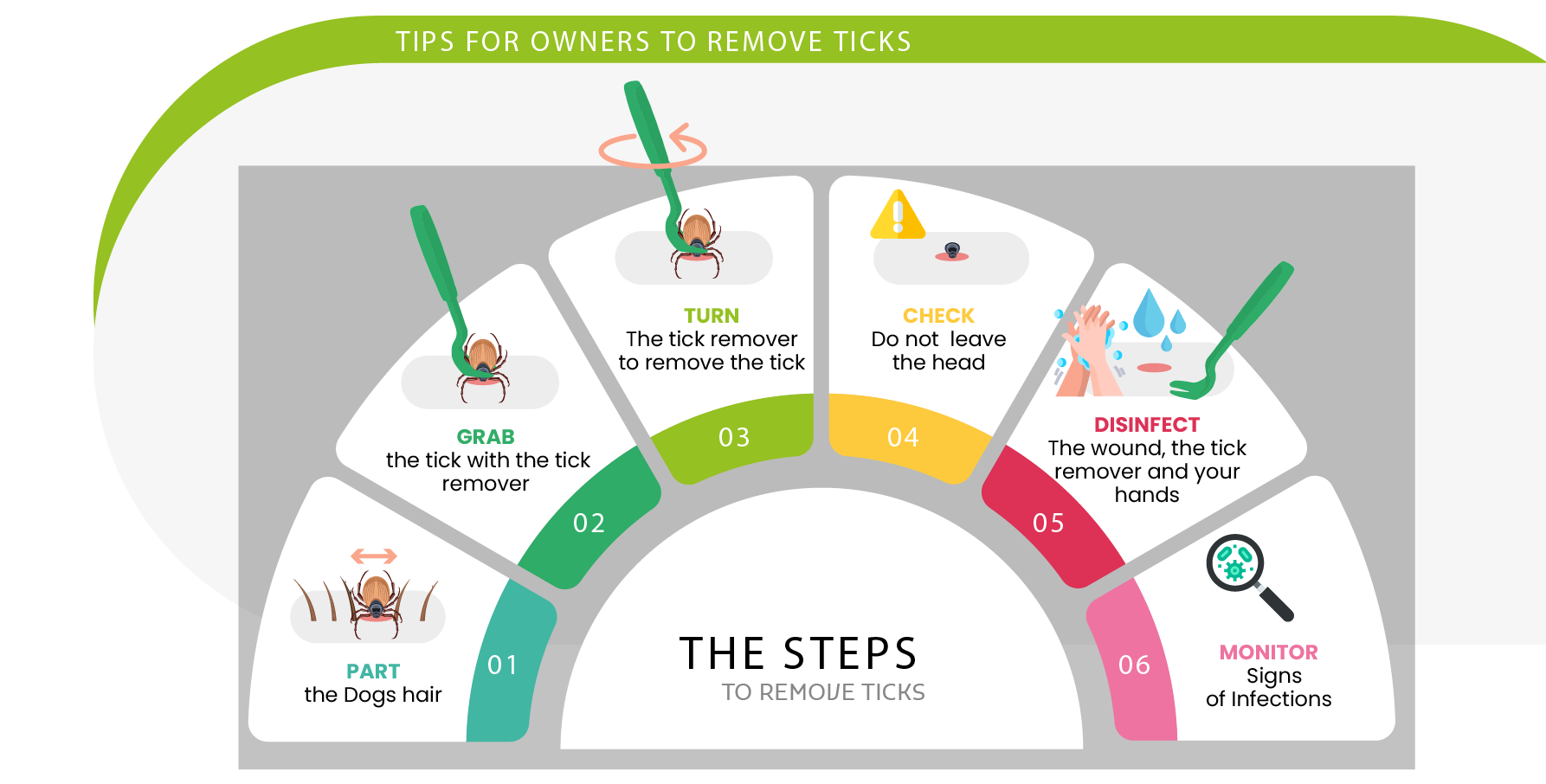
By combining these preventive measures, veterinarians can help protect effectively dogs against tick-borne diseases.
Continued owner education and a proactive approach remain key to reducing the incidence of these diseases.
Acute tick-borne diseases in dogs, such as babesiosis and ehrlichiosis, require a quick and accurate diagnosis for effective management.
Several methods are available to identify the pathogens involved. Light microscopy allows the identification of ticks, the examination of pathogens in their salivary glands, or in the biological samples of the infected animals while serology detects the presence of specific antibodies directed against the pathogen infecting the animal (it is therefore an indirect detection of the pathogen). PCR, on the other hand, offers sensitive and direct detection of pathogens via their DNA, even in small quantities.
The combination of these methods improves the reliability of the diagnosis.
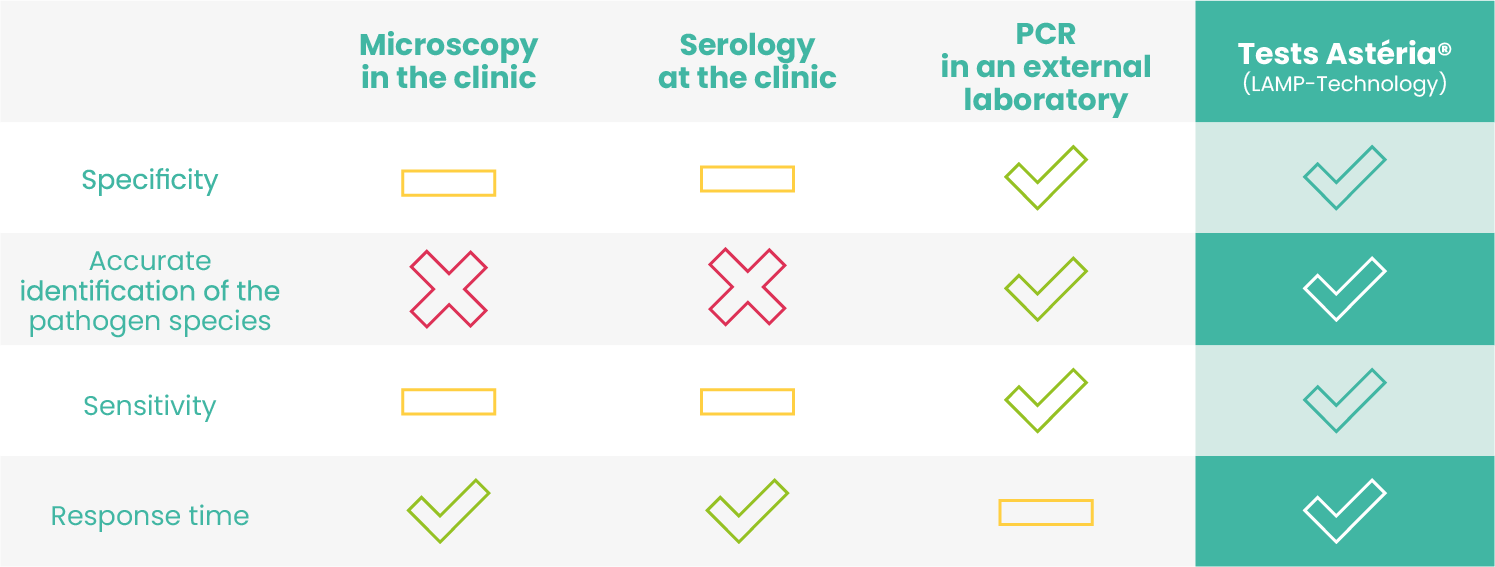
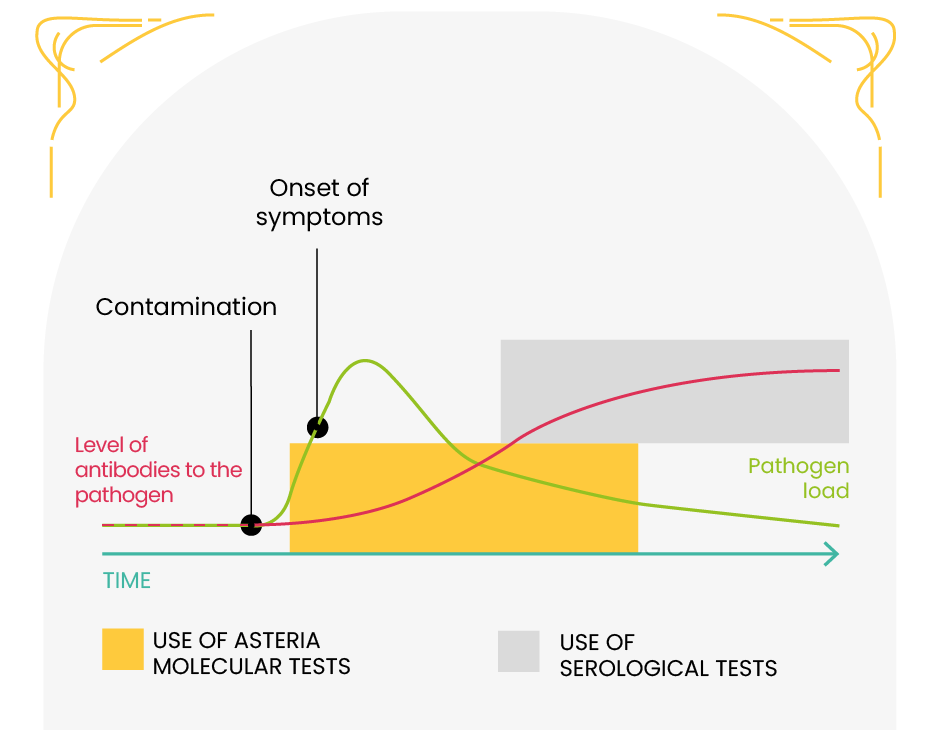
Advantages of PCR-LAMP tests over serological tests in the aid of diagnosis:
Our Asteria® tests are molecular biology tests. They directly detect the DNA of the pathogen and can therefore be used from the beginning of the infection even before symptoms are detectable or the immune response is put in place.
Their sensitivity is very close to that of PCR, but the results are obtained in 30 minutes.
 Download the newsletter

Enalees launches the Asteria® Feline Coronavirus kit for the diagnosis of coronavirus in felinesEnalees, a leader in rapid molecular diagnostics for animal health based at Genopole, today announce...

Throughout the year, Enalees takes part in the main congresses in the UK.Please do not hesitate to contact us to make an appointment or to visit our stand.Follow us on Facebook and LinkedIn for all th...

BEVA • 12-14 September 2024 • Liverpool • Stand E20« A congress Run By Vets For Vets »The BEVA Congress is more than just aconference. It is a dynamic place where ...

MANAGEMENT OF ANIMAL WELFARE AND APPROPRIATE TREATMENT AT Oniris...

Bovine Respiratory Syncytial Virus (BRSV) is a single-stranded virus belonging to the Pneumoviridae family1,2. It was renamed Bovine orthopneumovirus in 2016 and Orthopneumovirus bovis in 20221. It is...