


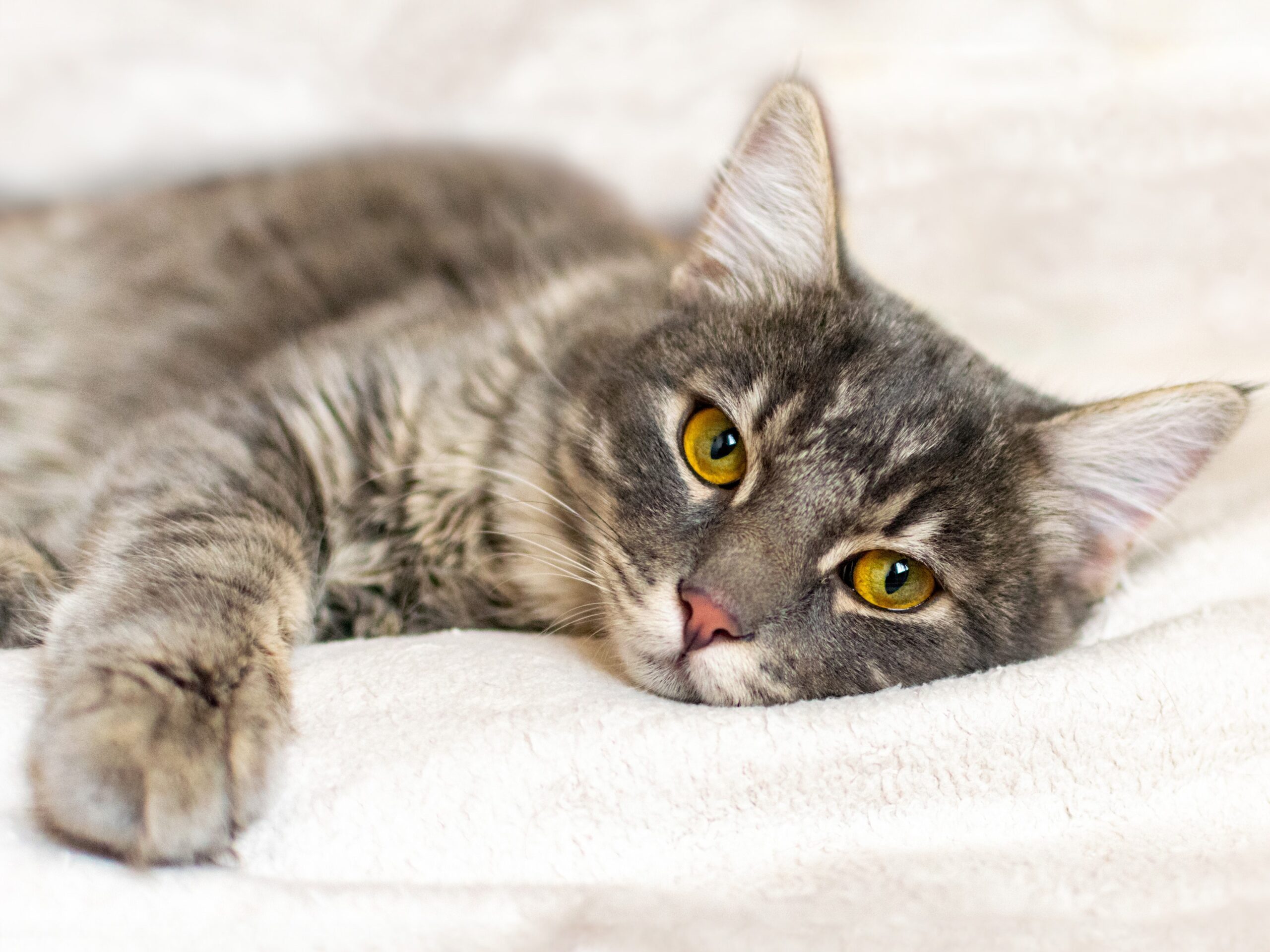
Enalees launches the Asteria® Feline Coronavirus kit for the diagnosis of coronavirus in felinesEnalees, a leader in rapid molecular diagnostics for animal health based at Genopole, today announce...

Strangles, an age-old infectious disease mainly affecting equines, represents a major challenge for equine veterinary professionals. This disease, caused by Streptococcus equi subspecies equi, an obli...

Enalees has been officially recognized as a BEVA (British Equine Veterinary Association) Partner in Education for 2025!This partnership reflects our commitment to supporting the professional developme...

Enalees strengthens its feline respiratory diagnostics offer with a panel incorporating Mycoplasma felis...

CANINE TICK DISEASES EHRLICHIOSIS: THE DIAGNOSIS OFTEN FORGOTTENCANINE TICK DISEASEMany pathogens are the cause of tick-borne diseases in dogs, such as Babesia canis, Babesia gibsoni, Anaplasma platy...